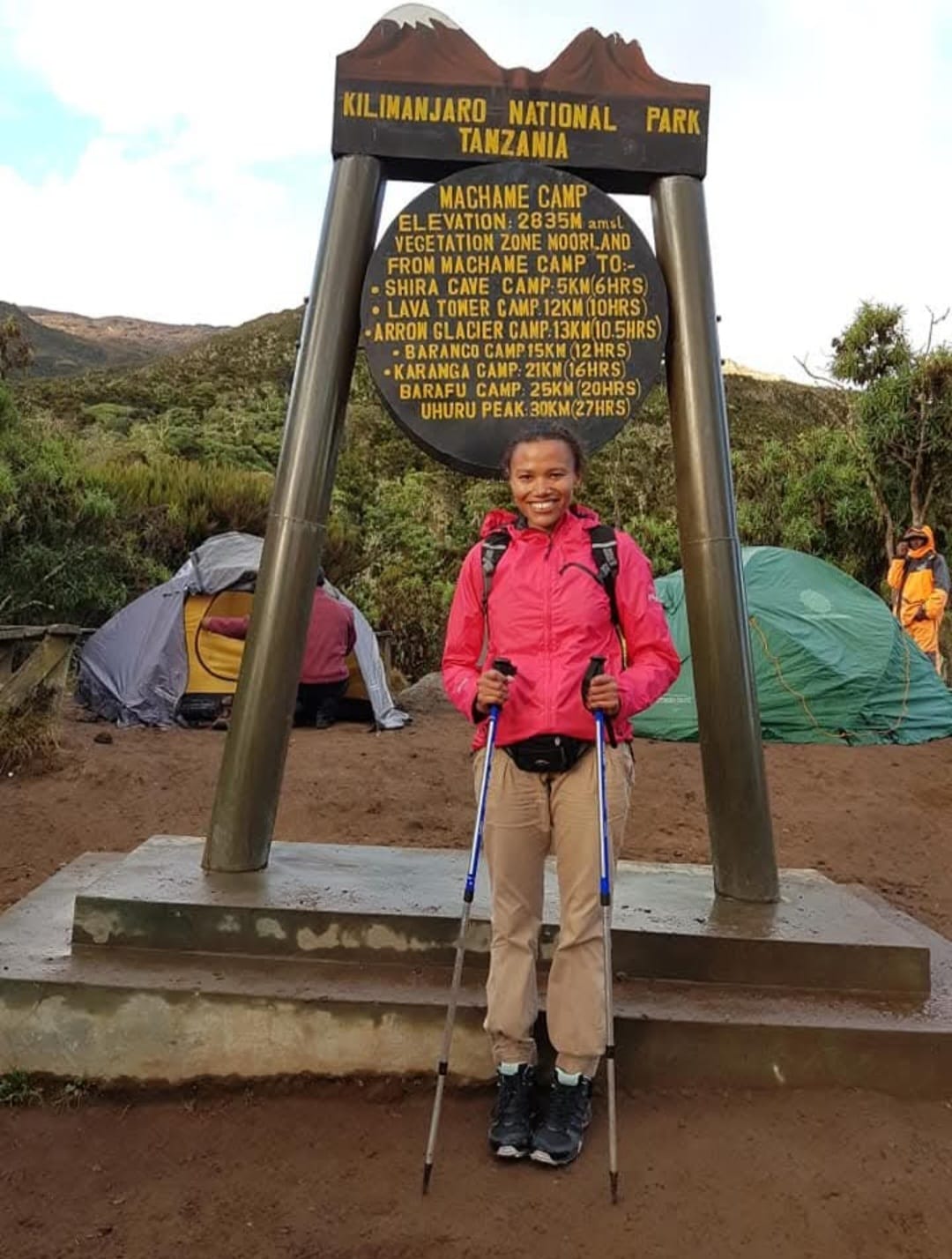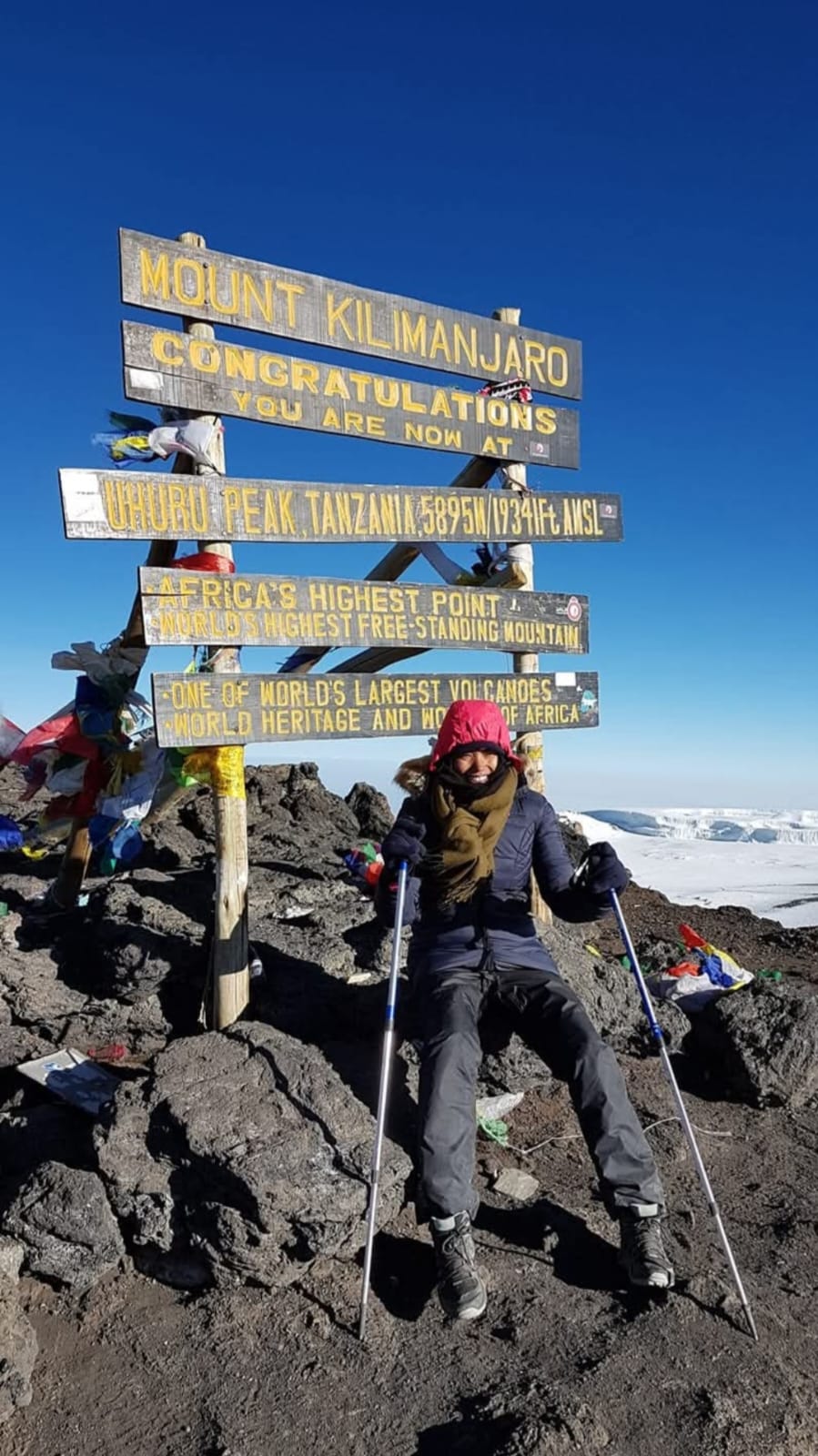


Lulu Pownall, the founder of Kjær Tours, has previously climbed the Machame Route.
7 days is the ideal schedule for this route.
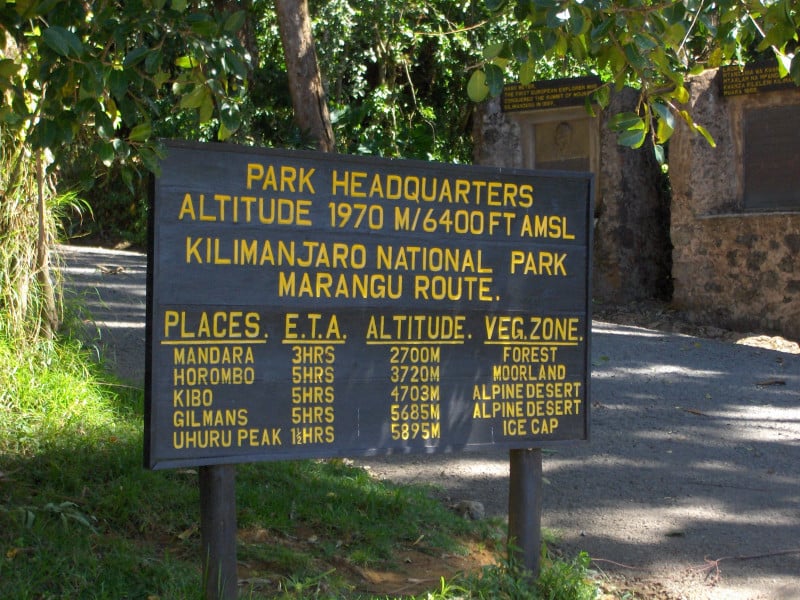
The 7-day Machame Route is highly recommended and is one of the most popular options on Kilimanjaro—also known as the Coca-Cola Route.
On the 7-day Machame Route, the trek from Barranco to Barafu is split over two days, allowing for a short day just before the summit ascent. This is important because the climb to the summit begins very early. By having a shorter day beforehand, climbers are better rested.
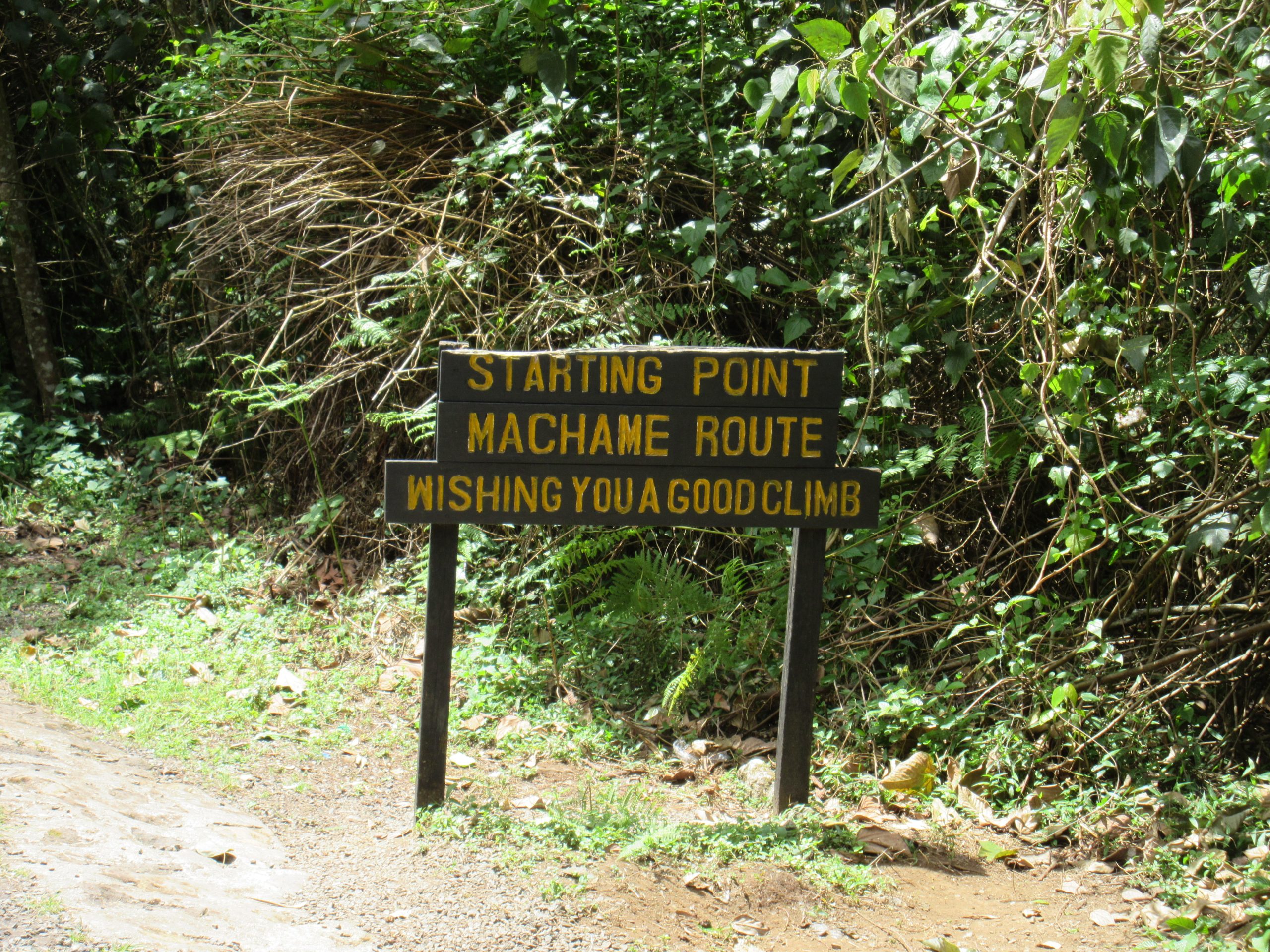
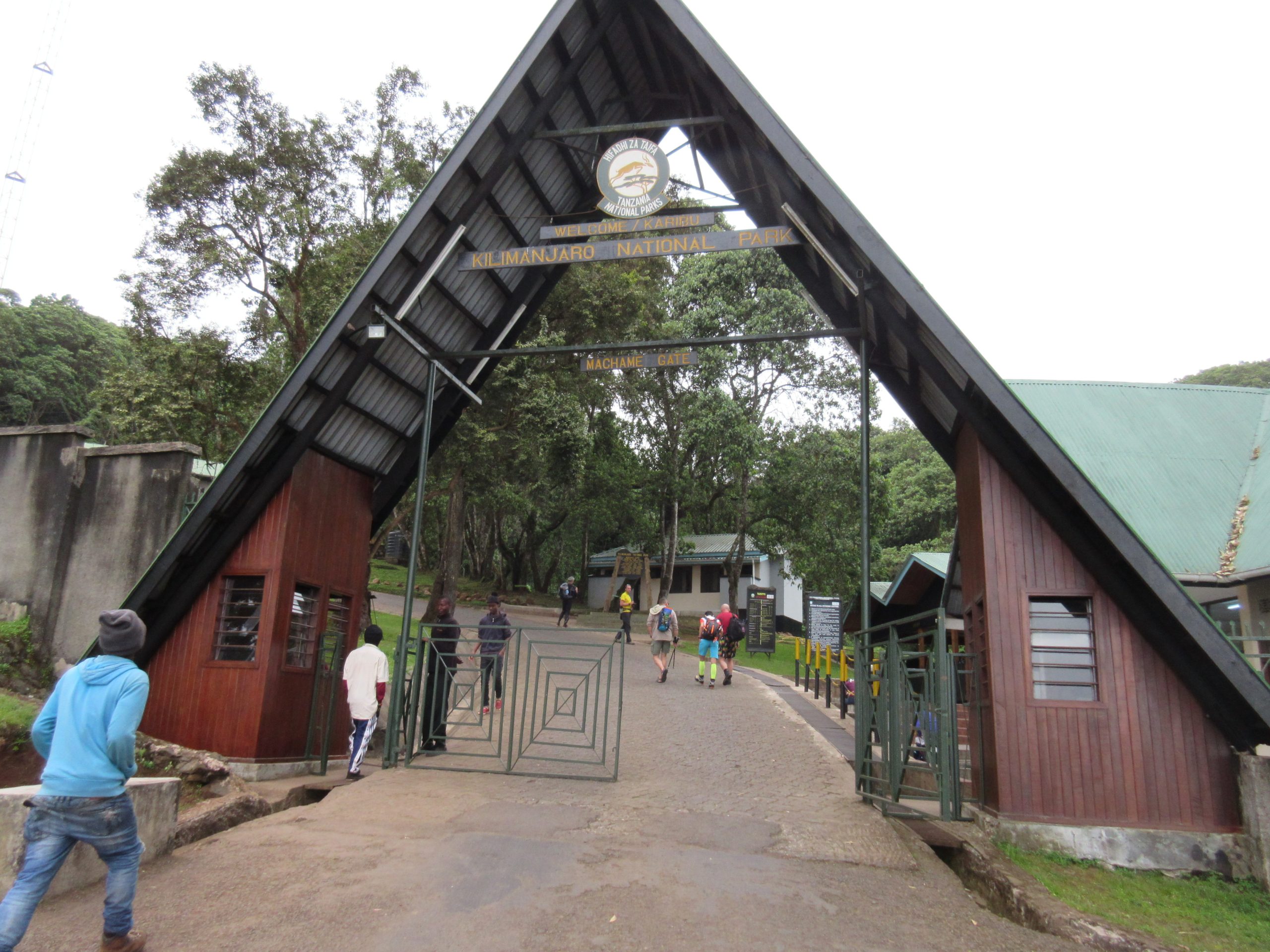
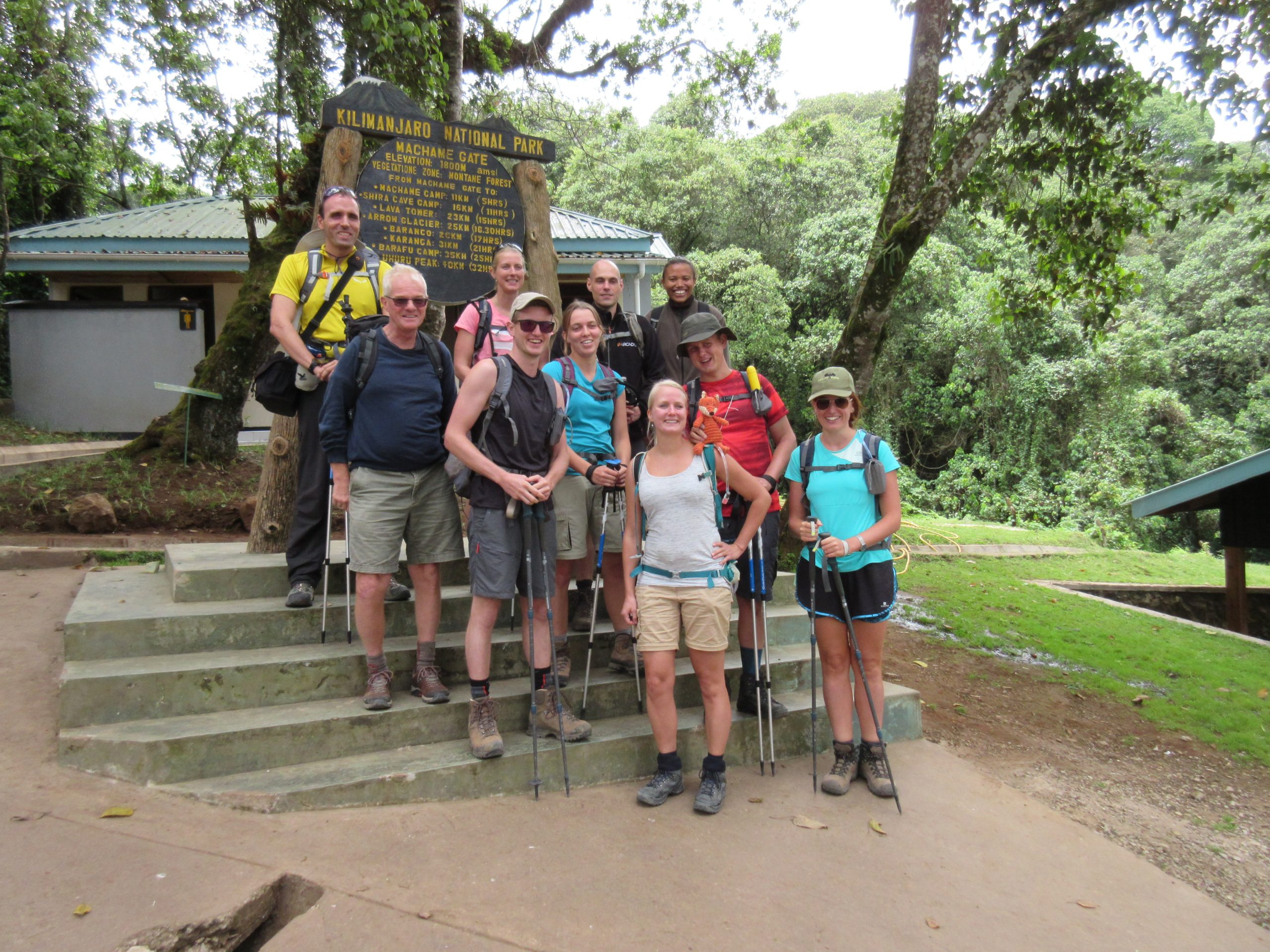
At 8:30 a.m., you will depart from Moshi to Machame Gate, where you will meet Ascend Tanzania’s porters, guides, and cooks, who will spend the next seven days trekking with you to the summit of Kilimanjaro—Uhuru Peak, the Roof of Africa. The drive through coffee plantations and villages to Machame Gate takes about 1.5 hours.
At around 10:00 a.m., you arrive at Machame Gate. Upon arrival, wait at the gate while Summit Odyssey registers your climb, and the porters and guides make the final preparations.
Your destination for the first day is Machame Camp.
Each day, the porters and cooks will go ahead to set up camp in time for your arrival.
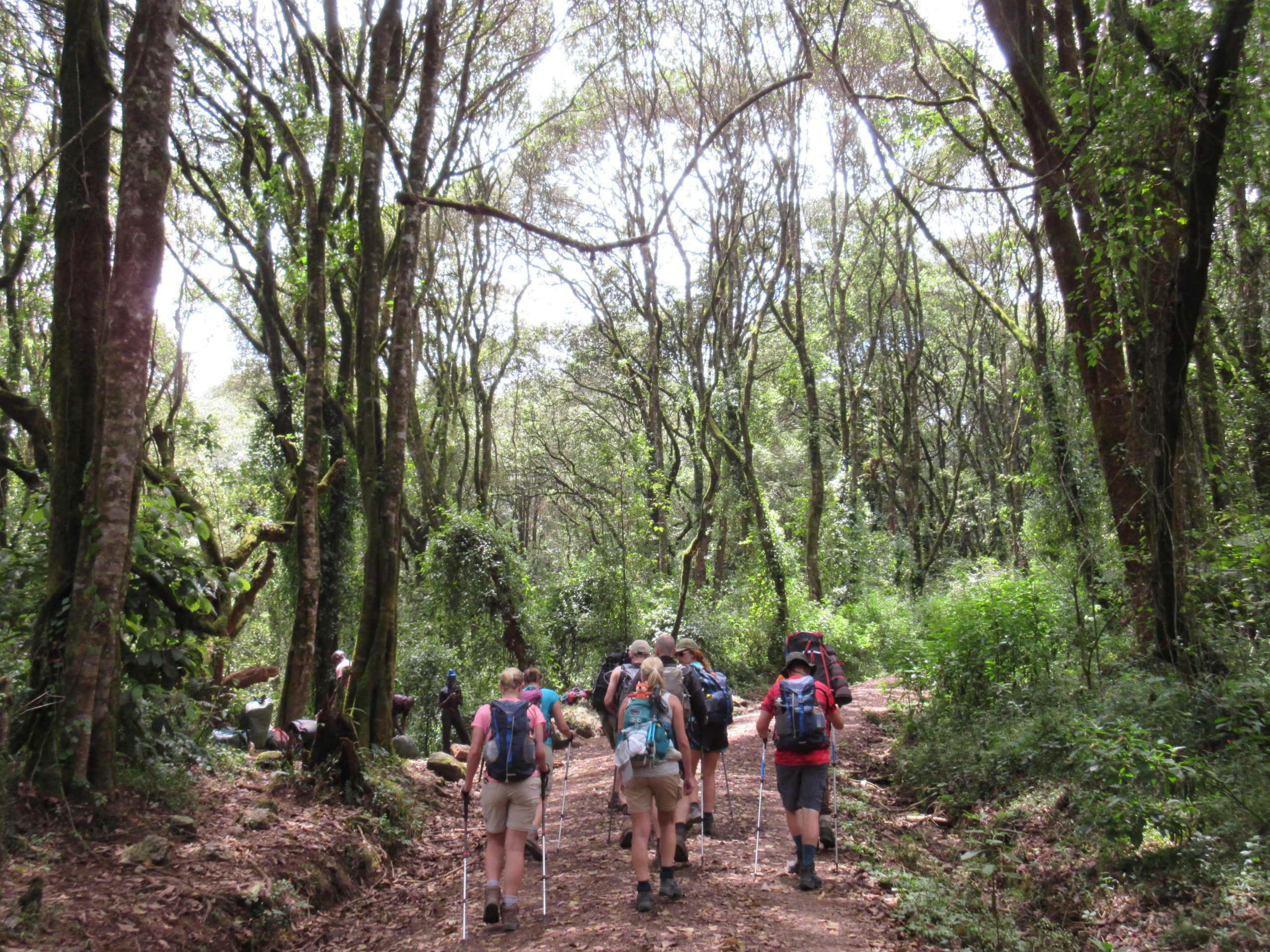
On the first day, you will trek through the moss-covered trees of Kilimanjaro’s cloud forest. Toward the end of the hike, the forest thins, and the vegetation changes to include heather, tall grasses, and wildflowers. If the weather is clear, you can see the surrounding area and your ultimate destination, Kibo Peak.
Although it is considered the easiest day on the Machame Route, today’s trek includes several uphill sections. Carry plenty of drinking water, as the exposed hike can be warm on a clear day. There are several viewpoints where you can see the plains and forests below, and Kibo and Mawenzi peaks above.
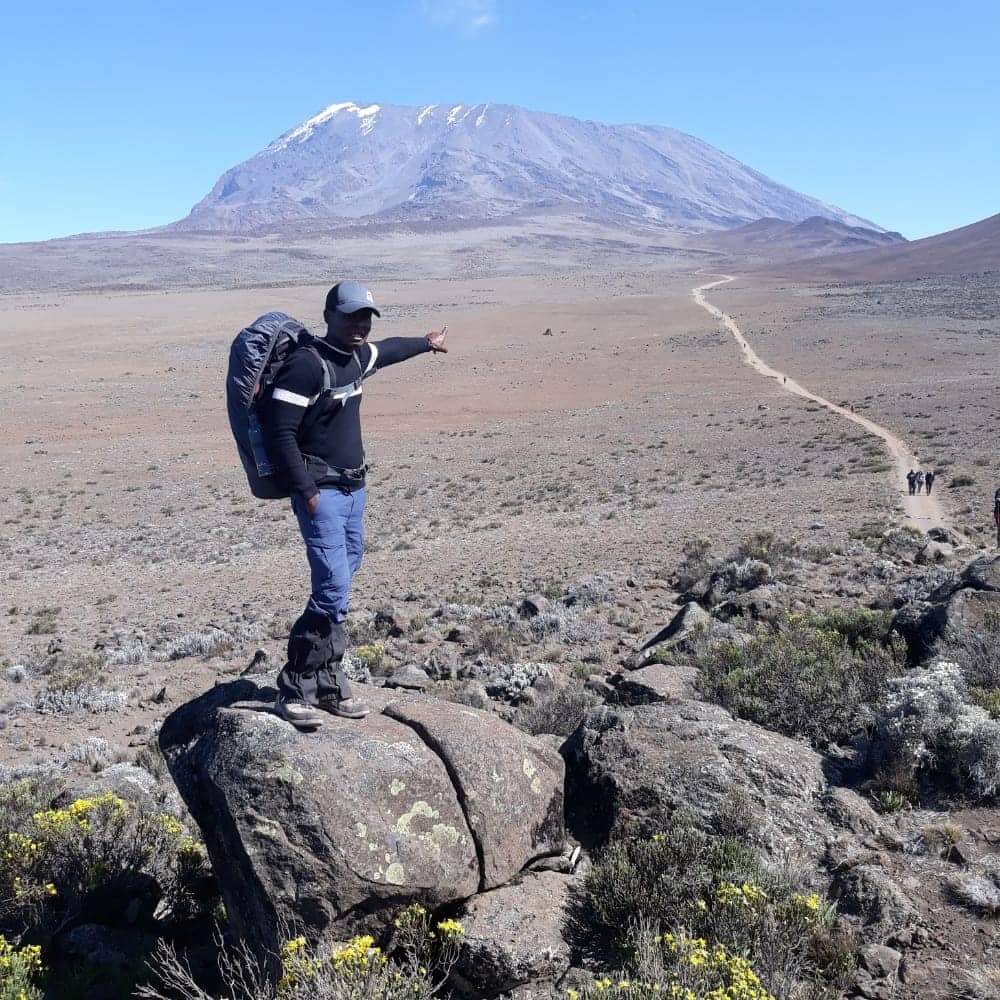
As you gain altitude, notice the change in vegetation. The trees become smaller, giving way to Kilimanjaro’s famous high-altitude plants, Senecio kilimanjari and Lobelia deckenii. After lunch, we ascend the Shira Plateau, formed when Kibo’s lava flows filled the Shira Crater. We continue to Shira Camp, where you can relax for the rest of the day. Kibo Peak lies to the west, and Mount Meru to the east.
Although this up-and-down day ends with a net gain of only 110 meters, by early afternoon you will have climbed 690 meters to an altitude of 4,530 m before beginning your descent to Barranco Camp. This day is crucial for acclimatization.
After breakfast, we hike east across the Shira Plateau until reaching the junction of the Shira and Lemosho Routes. We continue through the barren landscape before stopping for lunch. Shortly after lunch, we reach the highest point of the day, then descend quickly to Barranco Camp. Faster hikers may take a detour via Lava Tower, a 300-foot lava formation jutting from the mountainside.
Barranco Camp, situated among stands of Senecio kilimanjari, is considered the most scenic campsite on the Machame Route.
After an early breakfast, it’s time to conquer the Great Barranco Wall! Although it may look intimidating at first, hikers often say that this Class 2 scramble is usually much easier than expected. At the top of the wall, you will have views of the Heim Glacier and find yourself above the clouds. The trail then winds up and down through the Karanga Valley. This is an ideal hiking day for acclimatization.
After breakfast, you leave Karanga Camp. The trail crosses the Mweka Route, which is the path used for descent over the final two days. After about an hour of hiking, you reach Barafu Hut. The word “barafu” in Swahili means “ice,” and this camp is located on a rocky, exposed ridge. The tents are exposed to wind and rocks, so it’s important for hikers to familiarize themselves with the campsite before nightfall.
An early dinner will be served so hikers can rest before attempting the summit that same night. Your guide will give detailed instructions on how to prepare for reaching the top. Bedtime is at 7:00 p.m.
Around midnight, the final ascent to Uhuru Peak, the highest point in Africa, begins. For the next six hours, you will hike by the light of your headlamp. The climb to the crater rim is the most challenging part of the entire trek. The trail is very steep until you reach the crater rim at Stella Point.
The hike from Stella Point to Uhuru Peak is a gradual ascent and, in terms of technical difficulty, not particularly hard. However, the altitude makes the hike long and tiring. The rim walk takes about an hour. Once you reach Uhuru, take photos with your guide and group at the summit before beginning the descent to Mweka Camp. On the way down from Uhuru, you can enjoy views of the mountain, the crater, clouds, and glaciers.
At Barafu Camp, you will have breakfast and take a short break. You still have another three to five hours before reaching Mweka Camp.
After breakfast, the trek concludes with a descent to Mweka Gate. Your final hike on Kilimanjaro is beautiful, passing through the mountain’s cloud forest. Watch your step during the descent, as the trail can be slippery. Ascend Tanzania vehicles will be waiting at the Mweka Gate lower station to take you back to Moshi. You will also have the opportunity to purchase t-shirts and soft drinks at the gate.